Turning On Your Heater for the First Time? Here’s What North Georgia Homeowners Should Know
The first cold morning of the year always seems to arrive overnight. One day, you’re running the air conditioner, and the next, you’re reaching for the thermostat and turning on the heat.
For homeowners in North Georgia, this change can catch you off guard. Our fall weather can be warm during the day and chilly at night. Because of this, many heating systems sit unused for several months before they are needed again.
Before you turn on your furnace or heat pump for the first time, there are a few things you should know. A little preparation can help your heating system run better, keep your home comfortable, and help prevent unexpected HVAC repairs when temperatures drop.
Whether you live in Woodstock, Canton, Alpharetta, Roswell, Milton, or anywhere in Cherokee County, here are 10 things to check before turning on your heater for the season.
1. Change Your HVAC Air Filter
One of the easiest ways to prepare your heating system for winter is to replace your air filter.
During the summer, your air conditioner pulls air through the same filter that your heating system uses. Over time, dust, dirt, pet hair, and other particles build up in the filter. A dirty air filter makes it harder for your HVAC system to move air through your home.
When airflow is restricted, your heating system may have to work harder to keep your home warm. This can lead to higher energy bills, poor comfort, and extra wear on your HVAC equipment.
Most standard HVAC filters should be replaced every 1 to 3 months. However, homes with pets, children, allergies, or heavy dust may need more frequent filter changes.
Before turning on your heater, check the filter. If it looks dirty, replace it. Make sure you install the correct size and follow the airflow arrows printed on the filter.
A clean filter is a simple step that can make a big difference in your home’s heating performance.
2. Check Your Thermostat Settings
Your thermostat controls when your heating system turns on and how warm your home gets. After months of running the air conditioner, your thermostat may still be set to cooling mode.
Before testing your heater, check the settings.
Make sure your thermostat is set to HEAT instead of COOL. Set the temperature a few degrees above the current room temperature. You should hear your heating system start after a short delay.
If you have a programmable or smart thermostat, take a few minutes to review your schedule. You may want different temperatures for the morning, daytime, and nighttime.
For many homes, a setting around 68 degrees when people are awake and at home is a good starting point for balancing comfort and energy use. You can lower the temperature when everyone is sleeping or away.
If your thermostat is blank, unresponsive, or does not turn on the heat, check its batteries if it uses them. If the problem continues, you may need professional HVAC service.
3. Expect a Slight Burning Smell When You First Turn On the Heat
If you notice a light burning or dusty smell when you first turn on your heater, don’t panic.
During the warmer months, dust can settle on the heating elements and other internal parts of your system. When the heater runs for the first time, that dust burns off and creates a temporary smell.
In many cases, this smell goes away after the system has been running for a short time.
However, there are a few warning signs you should never ignore.
If the burning smell is strong, continues for a long time, or smells like melting plastic or electrical wiring, turn off the system and contact an HVAC professional.
If you smell rotten eggs or suspect a natural gas leak, leave the home immediately. Do not operate electrical switches or use anything that could create a spark. Call 911 or your gas utility from a safe location.
A temporary dusty smell can be normal. A strong or unusual smell should always be taken seriously.
4. Check Your Air Vents and Return Grilles
Your heating system needs good airflow to warm your home properly.
Before turning on the heat, walk through your house and check the supply vents and return air grilles. Make sure furniture, rugs, curtains, boxes, and other items are not blocking them.
Supply vents send warm air into your rooms. Return grilles pull air back into the HVAC system so it can be heated again.
When vents are blocked, some rooms may feel colder than others. Your system may also have to run longer to reach the temperature set on your thermostat.
If you notice that one room is always colder than the rest of your home, poor airflow could be part of the problem.
Keeping vents clear helps your heating system move air throughout your home and maintain more even temperatures.
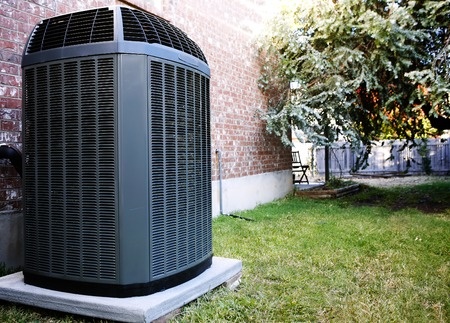
5. Inspect Your Outdoor HVAC Unit
If your home uses a heat pump, your outdoor unit plays an important role in keeping your home warm.
Unlike a traditional furnace, a heat pump moves heat from the outdoor air into your home. Even when it is cold outside, there is still heat energy in the air that the system can use.
Before the heating season begins, take a look at your outdoor unit.
Remove loose leaves, branches, and other debris around the equipment. Make sure plants and bushes are not growing too close to the unit. Keep the area clear so air can move freely.
Do not open the equipment or attempt to clean internal components yourself. The outdoor unit contains electrical parts and other components that should be handled by a trained HVAC technician.
If you notice damaged wiring, unusual noises, or visible damage, schedule an inspection before relying on the system during colder weather.
6. Schedule Professional Heating Maintenance
Changing your air filter and checking your vents are important, but they are not a replacement for professional HVAC maintenance.
Your heating system has several parts that need to be inspected to help it operate safely and properly. Some of these parts are difficult to see without opening the equipment.
During a professional heating system inspection, an HVAC technician can check important components such as electrical connections, safety controls, burners, heat exchangers, blower motors, and other system parts.
For heat pumps, maintenance may also include checking refrigerant levels, electrical components, defrost controls, and system performance.
Regular furnace maintenance and heat pump maintenance can help identify small problems before they turn into larger repairs.
It is a good idea to schedule heating maintenance once a year, preferably before the coldest weather arrives.
For homeowners in North Georgia, fall is a great time to have your heating system checked. You do not want to discover a problem on the first freezing night of the season.
7. Know the Difference Between a Furnace and a Heat Pump
Not every home in North Georgia uses the same type of heating system.
Some homes have gas furnaces, while others use electric furnaces or heat pumps. Understanding which system you have can help you know what to expect when the weather gets cold.
A gas furnace creates heat by burning natural gas. The warm air is then moved through your home’s ductwork by a blower.
An electric furnace uses electric heating elements to warm the air before sending it through the ducts.
A heat pump works differently. It moves heat from one place to another rather than creating heat through combustion. In winter, it pulls heat from the outdoor air and transfers it inside.
Heat pumps are common in Georgia because our winters are usually mild compared to colder parts of the country.
Some heat pumps also have auxiliary or emergency heat. These settings use additional heating equipment when outdoor temperatures are low or the heat pump needs help keeping up.
If you have a heat pump, you may occasionally notice that the system runs longer than you expect. This can be normal, especially during colder weather.
If you are unsure what type of heating system you have, a local HVAC technician can help you identify it and explain how to use it properly.
8. Pay Attention to Strange Noises
Your heating system will make some noise when it starts. You may hear the blower motor turn on, air moving through the vents, or the outdoor heat pump starting up.
However, loud or unusual noises can be a sign that something is wrong.
Pay attention if you hear banging, grinding, squealing, rattling, or repeated clicking.
A banging noise could point to loose parts or problems with the ductwork. Grinding or squealing may indicate a problem with a motor or moving component. Repeated clicking can sometimes point to an electrical or ignition issue.
Do not ignore these warning signs. A small mechanical problem can become a much larger repair if the system continues running.
If your heater suddenly starts making a noise you have never heard before, turn it off if it is safe to do so and contact a qualified HVAC technician.
9. Check Your Carbon Monoxide Detectors
If your home uses a gas furnace, carbon monoxide safety should be part of your yearly heating checklist.
Carbon monoxide is a colorless, odorless gas that can be dangerous when it builds up inside a home. It can be produced when fuel-burning appliances do not operate or vent properly.
Because you cannot see or smell carbon monoxide, a working detector is one of the most important safety tools in your home.
Before heating season begins, test your carbon monoxide detectors. Replace batteries when needed and follow the manufacturer’s instructions for detector replacement.
Make sure you have detectors in the recommended locations throughout your home, especially near sleeping areas.
Never ignore a carbon monoxide alarm. Get everyone outside into fresh air and call 911 from a safe location.
Professional furnace maintenance also helps identify problems with combustion and venting that could create safety risks.
10. Know When to Call an HVAC Professional
Sometimes, your heater simply will not cooperate when you turn it on for the first time.
You may notice that the system runs but does not produce warm air. Your thermostat may be working, but the heater never starts. You may also notice uneven temperatures, weak airflow, or a sudden increase in your energy bill.
These are all reasons to have your heating system inspected.
Here are a few common signs that your heater may need professional attention:
- Your heater will not turn on.
- Your furnace blows cold air.
- Your heat pump runs constantly but does not warm the house.
- Some rooms are much colder than others.
- Your heating system turns on and off repeatedly.
- You hear loud or unusual noises.
- You notice unusual odors that do not go away.
- Your energy bills increase without a clear reason.
- Your system struggles to reach the thermostat setting.
Some problems are simple, while others may involve electrical components, motors, ignition systems, or refrigerant issues.
A trained HVAC technician can find the source of the problem and help you determine the best way to fix it.
If you have a gas smell, a carbon monoxide alarm, or signs of an electrical fire, follow the appropriate emergency safety steps rather than continuing to operate the system.
Why North Georgia Homeowners Should Prepare Their Heating Systems Early
North Georgia weather can change quickly. A warm afternoon in October can turn into a cold night, and temperatures can drop even further as winter approaches.
Homeowners in Woodstock, Canton, Holly Springs, Ball Ground, Alpharetta, Roswell, Milton, and Johns Creek all depend on their heating systems to keep their families comfortable during the colder months.
The problem is that many homeowners do not think about their heaters until they actually need them.
That can lead to a rush for HVAC repairs when the first cold front arrives. It can also mean longer wait times for service when many homeowners are dealing with the same problem.
Scheduling fall heating maintenance gives you a chance to have your equipment checked before you depend on it every day.
It also gives you time to address worn parts, airflow problems, and other issues before winter weather arrives.
A little preparation now can help you avoid an uncomfortable surprise later.
Your First-Time Heater Startup Checklist
Before turning on your heating system this fall, take a few minutes to work through this simple checklist.
- Replace your HVAC air filter.
- Check your thermostat and switch it to HEAT.
- Make sure supply vents and return grilles are clear.
- Remove leaves and debris around your outdoor HVAC unit.
- Check your carbon monoxide detectors.
- Listen for unusual noises when the system starts.
- Pay attention to unusual smells.
- Make sure your system produces warm air.
- Check that your home heats evenly.
- Schedule professional heating maintenance.
If something does not seem right, do not wait until the coldest day of the year to have it checked.
Keep Your North Georgia Home Comfortable All Winter With Fritts Heating & Air
Your heating system is one of the most important parts of your home. It keeps your family comfortable, protects your home during cold weather, and helps you enjoy the winter season.
At Fritts Heating & Air, we believe homeowners deserve honest service, quality workmanship, and dependable heating and air conditioning solutions.
We proudly serve homeowners and businesses throughout Cherokee County and North Georgia, including Woodstock, Canton, Alpharetta, Roswell, Milton, and Johns Creek.
Whether you need routine furnace maintenance, heat pump service, heating system repairs, or help preparing your HVAC system for winter, our team is here to help.
We believe in doing the job right, treating customers fairly, and providing recommendations based on what your home actually needs.
Don’t wait for the first freezing night to find out your heater isn’t working.
Call Fritts Heating & Air today at (678) 327-3897 to schedule your heating service and get your home ready for winter.
Additional SEO Recommendations
To help this article perform better in Google searches, I would use the following supporting elements when publishing it.
Suggested H1: Turning On Your Heater for the First Time? Here’s What North Georgia Homeowners Should Know
Suggested Image Alt Text:
- HVAC technician inspecting a residential heating system in North Georgia.
- Furnace maintenance before winter in Woodstock GA.
- Homeowner changing an HVAC air filter before turning on the heater.
- Heat pump outdoor unit at a North Georgia home.
- Heating system inspection by a local HVAC technician.
Suggested Internal Links:
Link relevant phrases throughout the article to your existing Fritts service pages:
- Heating repair
- Furnace maintenance
- HVAC maintenance
- Heat pump repair
- Residential HVAC services
- Commercial HVAC services
- Contact Fritts Heating & Air
Suggested FAQ Schema Content
These questions are worth adding to the bottom of the page or marking up with FAQ structured data if your website supports it.
How often should I change my HVAC filter in Georgia?
Most HVAC filters should be changed every 1 to 3 months. Homes with pets, allergies, or heavy dust may need more frequent changes.
Why does my heater smell when I turn it on for the first time?
A light dusty smell is common when dust burns off the heating components after months of sitting unused. A strong, electrical, or lasting smell should be checked by an HVAC professional.
When should I schedule heating maintenance in North Georgia?
Fall is a great time to schedule heating maintenance in North Georgia. Having your system inspected before winter helps identify problems before you need your heater every day.
Why is my furnace blowing cold air?
A furnace may blow cold air because of thermostat settings, restricted airflow, ignition problems, or other mechanical issues. If the problem continues, contact an HVAC technician.
Should I leave my heat pump running all winter?
Yes. Heat pumps are designed to maintain a consistent indoor temperature. They generally work best when left on a steady thermostat setting rather than being turned off and on repeatedly.
How long should a heating system last?
Many furnaces and heat pumps last around 15 to 20 years, depending on the equipment, installation, maintenance, and usage. Older systems may need more frequent repairs.